The Road to 2030: How the Global Sustainability Summit Aligns with the UN SDGs
By Amb. Canon Otto – Convener, Global Sustainability Summit | Founder, Cleancyclers
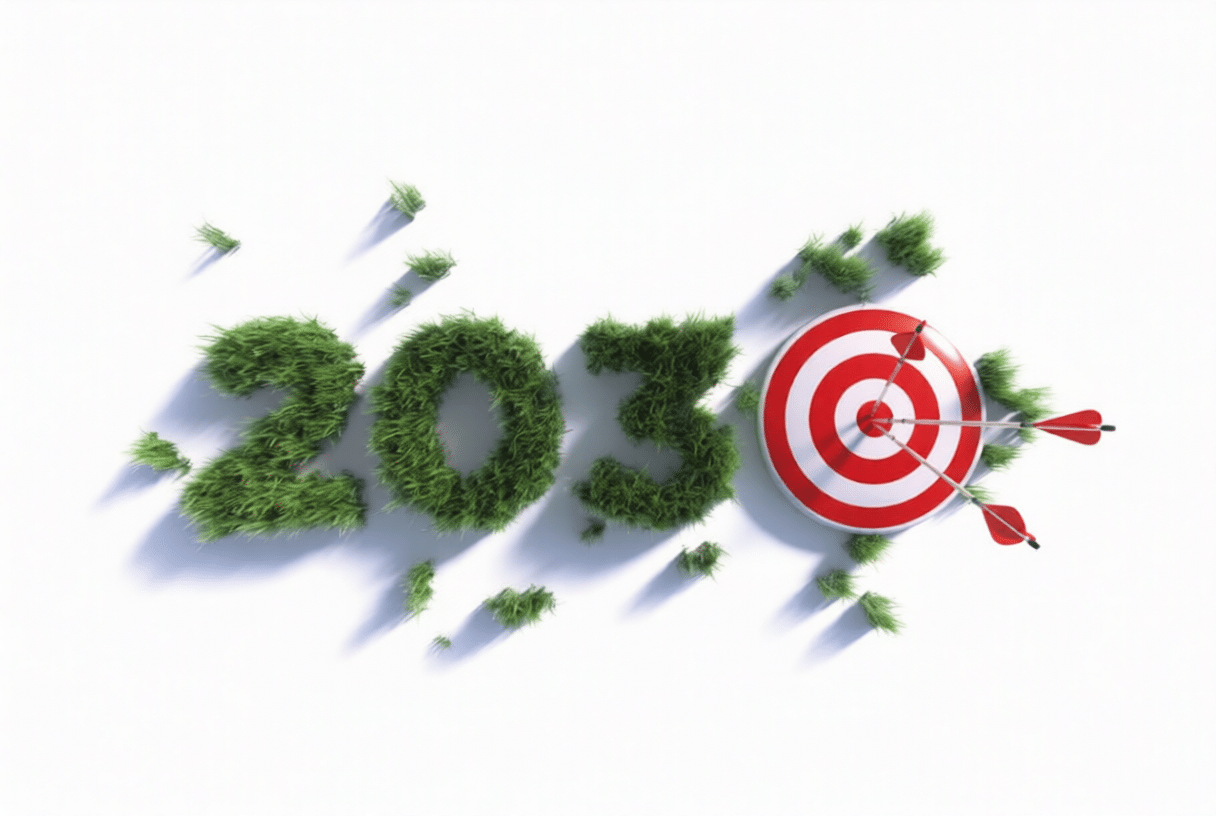
As we move steadily toward 2030, one reality becomes increasingly clear:
the window for meaningful action on the Sustainable Development Goals (SDGs) is narrowing.
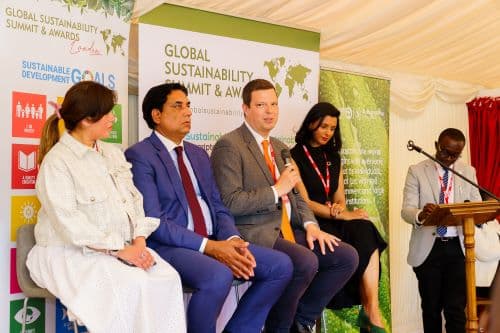
At the Global Sustainability Summit 2025, this urgency was not only acknowledged — it was confronted.
We are no longer in a phase of awareness.
We are in a phase of execution.
As Canon Otto, I have consistently emphasized that global frameworks such as the United Nations Sustainable Development Goals are not distant aspirations. They are practical blueprints — and the true test of their relevance lies in how effectively we translate them into real-world impact.
From Global Goals to Local Action
The 17 SDGs provide a comprehensive roadmap for addressing the world’s most pressing challenges — from poverty and inequality to climate change and environmental degradation.
But frameworks alone do not create change.
At the Global Sustainability Summit, our focus is clear:
How do we move from global commitments to local implementation?
Across panel discussions and strategic dialogues, we saw how key SDGs are being activated:
- SDG 7 (Affordable and Clean Energy): Through renewable energy solutions and solarization initiatives
- SDG 12 (Responsible Consumption and Production): Through circular economy systems and waste reduction models
- SDG 13 (Climate Action): Through climate resilience strategies and emissions reduction efforts
- SDG 6 (Clean Water and Sanitation): Through integrated water-energy-food nexus discussions
- SDG 17 (Partnerships for the Goals): Through cross-sector collaboration and responsible financing
This is where global ambition meets practical execution.
Cleancyclers: Advancing SDG 12 and Beyond
At Cleancyclers, we are deeply aligned with the SDGs — particularly Responsible Consumption and Production (SDG 12).
Our work goes beyond waste collection. It is about:
- Building circular economy systems
- Reducing environmental impact
- Creating green jobs and economic opportunities
- Educating communities on sustainable practices
But the impact does not stop there.
Cleancyclers’ initiatives also contribute to:
- SDG 8 (Decent Work and Economic Growth) through job creation
- SDG 11 (Sustainable Cities and Communities) through improved waste management systems
- SDG 13 (Climate Action) through reduced emissions and environmental protection
This is how localized action drives global progress.
SustainabilityUnscripted: Bridging Knowledge and Action
One of the greatest barriers to achieving the SDGs is not a lack of solutions — it is a lack of accessible understanding.
Through SustainabilityUnscripted, we are bridging this gap.
We translate complex sustainability frameworks into:
- Practical insights
- Real-life stories
- Actionable knowledge
Because the SDGs must not remain within policy documents — they must live within communities, businesses, and everyday decisions.
Responsible Financing: The Engine of SDG Progress
Another key takeaway from the Global Sustainability Summit is the importance of financing the future.
Without capital, ambition cannot scale.
Responsible financing — aligned with ESG principles and long-term sustainability outcomes — is essential to:
- Fund clean energy transitions
- Support sustainable agriculture
- Enable circular economy innovations
- Empower developing economies
As Canon Otto, I emphasize that finance must evolve from profit-only models to purpose-driven investments that support both people and planet.
Partnerships: The Foundation of SDG Success
No country, organization, or sector can achieve the SDGs alone.
At the Global Sustainability Summit, we continue to champion peaceful and strategic partnerships — aligning governments, private sector leaders, NGOs, and grassroots innovators.
SDG 17 (Partnerships for the Goals) is not just one goal among many —
it is the enabler of all others.
When partnerships are built on trust, equity, and shared vision, transformation accelerates.
A Canon Otto Perspective: The Urgency of Now
As we approach 2030, we must confront a difficult truth:
We are not moving fast enough.
But urgency must not lead to despair — it must lead to decisive action.
At the Global Sustainability Summit, we are not simply tracking SDG progress.
We are actively working to accelerate it.
Through Cleancyclers, SustainabilityUnscripted, and our global partnerships, we are building systems that:
- Translate goals into action
- Turn commitments into measurable outcomes
- Ensure that no community is left behind
Beyond 2030: Building a Sustainable Legacy
The SDGs are not the final destination — they are a milestone.
What we build now will define not only 2030, but the decades beyond it.
The question is no longer whether we understand the challenges.
The question is whether we are willing to act at the scale and speed required.
A Call to Global Responsibility
To leaders, institutions, and individuals:
The SDGs are not someone else’s responsibility.
They are our collective obligation.
Let us:
- Align our actions with global goals
- Invest in sustainable systems
- Empower communities with knowledge and resources
- Build partnerships that transcend borders and sectors
Through the Global Sustainability Summit, we remain committed to driving this alignment — ensuring that the vision of the SDGs becomes a lived reality.
Because the future is not defined by what we plan.
It is defined by what we do — together.